Copper Deficiency in Horses and Ponies
Copper Deficiency in horses has been implicated in causing developmental orthopedic disease of the bones and joints in foals and young horses.
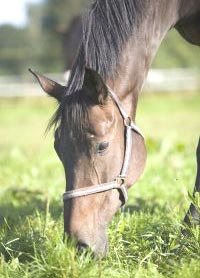
A deficiency of copper is also reputed to be a cause of Mud Fever
Horses need copper in their diets to develop healthy connective tissue and to be able to properly utilise iron.
Copper is important to many of the enzymes involved in metabolism.
In adult horses a deficiency of copper in the equine diet may cause thinning of the bones, swelling of the joints and possibly even limb deformaties.
A lack of copper in the diet can can lead to anemia as the horse fails to absorb iron properly
Some horses that have a copper deficiency will have a dull, discoloured coat with possibly a reddish tinge to it.
TYPES OF COPPER DEFICIENECY IN HORSES
There are 2 types of copper deficiency to be found in horses.
The first is primary copper deficiency, which arises due to inadequate intake of copper in the horse's diet.
The other form, secondary copper deficiency, is more common and occurs where absorption and storage of copper are adversley affected by a high molybdenum or sulphate intake, probably from grazing on affected pasture, - even where there is adequate copper present in the horse's diet.
Cattle and sheep are more susceptible to excess dietry molybdenum than horses and therefore some pastures which cause severe disease in cattle can leave horses unaffected.
Good feed sources of copper include molasses, linseed and soyabean meal.
Trying to improve the quality of grazing by indiscriminate dressing of pasture and fields with copper salts is liable to cause poisoning and is therefore not advisable.
There are now ranges of equine vitamin and mineral feed supplements which contain copper available from most horse feed supplement manufacturers.
The normal range for blood copper concentrations in horses is 16.4 - 27.9 mol/L.
HORSE CARE ADVICE AND EQUESTRIAN ARTICLES
Windgall | Bog Spavin | Headshaking | Devil's Claw | Cold Back | Probiotics | Equine Redworm |Cushings disease | Herbs for Veterans | Hydrotherapy | Clivers | Equine Mud fever | Ringworm | Selenium Supplements | Horse bedding advice | Saddle Fitting | Iridology | Aubiose | Garlic | Feeding vegetables | Sarcoids | Equine Liver disease | Equine Body Work | Calming Herbs | Buying Trailer | Bot Eggs | Advice on Soaking Hay | Horse Nosebleeds | Sticky Stifle | Colic | Surrey Livery Yards | Mare in Foal | Haylage
Causes, treatment and signs of Copper Deficiency in a Horse or Pony