Arnica: Homeopathic Remedy for Treating Bruising in Horses
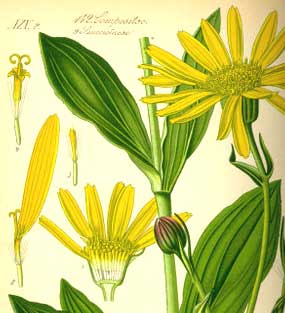
Arnica Montana - Leopard's Bane - is a popular and versatile equine anti-inflammatory remedy which can aid the healing of bruises, bruising, soft tissue injuries, wounds, bruised soles, muscular strains and soreness, joint stiffness, lameness pain in the horse. It can also be useful for the treatment of shock and trauma.
It has become known as "Homeopathic Bute" - as it is anti-inflammatory. It is also believed to be anti-bacterial.
Arnica preparations for horses are to be found in ointment, spray, liquid, liniment, gel, tablet, pillule or pill form.
The treatments can be applied externally or taken internally.
Arnica should not to be applied to open wounds , and, be careful, not all forms may be given internally to a horse or pony. it is important to check this carefully when you buy Arnica to treat your horse!
ARNICA AS A PREVENTATIVE MEDICINE FOR HORSES
 As
well as treating existing problems Arnica can be used as a preventative
medicine for your horse. Used prior to a strenuous ride or training
session it can help to prevent soreness.
As
well as treating existing problems Arnica can be used as a preventative
medicine for your horse. Used prior to a strenuous ride or training
session it can help to prevent soreness.
If used after exercise it can help to prevent the horse from stiffening or tying up. It can also be used as a liniment during massage.
Arnica works on horses by by dispersing trapped fluids from bruised tissue and stimulating the activity of the white blood cells.
The active ingredients in Arnica are sesquiterpene lactones. These are known to reduce inflammation and pain. One of these sesquiterpene lactones is Helenalin.
It is not fully known how sesquiterpene lactones in Arnica exert their anti-inflammatory effect.
|
|
HORSE CARE ADVICE AND EQUESTRIAN ARTICLES
Horse Insurance Advice | Salt Blocks for Horses | Fitting a Lungeing Cavesson | Supplements for Veteran Horses | Homeopathic Treatment of Equine Sweat Bumps | Arthritis Supplements for Horses |Symptoms of Colic in Horses | Kent Tack Shops | Benefits of Equine Glucosamine Supplements | Horse Feed Storage | Anaemic Horse |Capped Hocks| Feeding Overweight Horse | Horse Dentistry | Growing Carrots | Arnica an equine homeopathic remedy for horses - used on as a
anti-inflammatory
treatment to aid the healing of bruises, bruising, joint stiffness and lameness